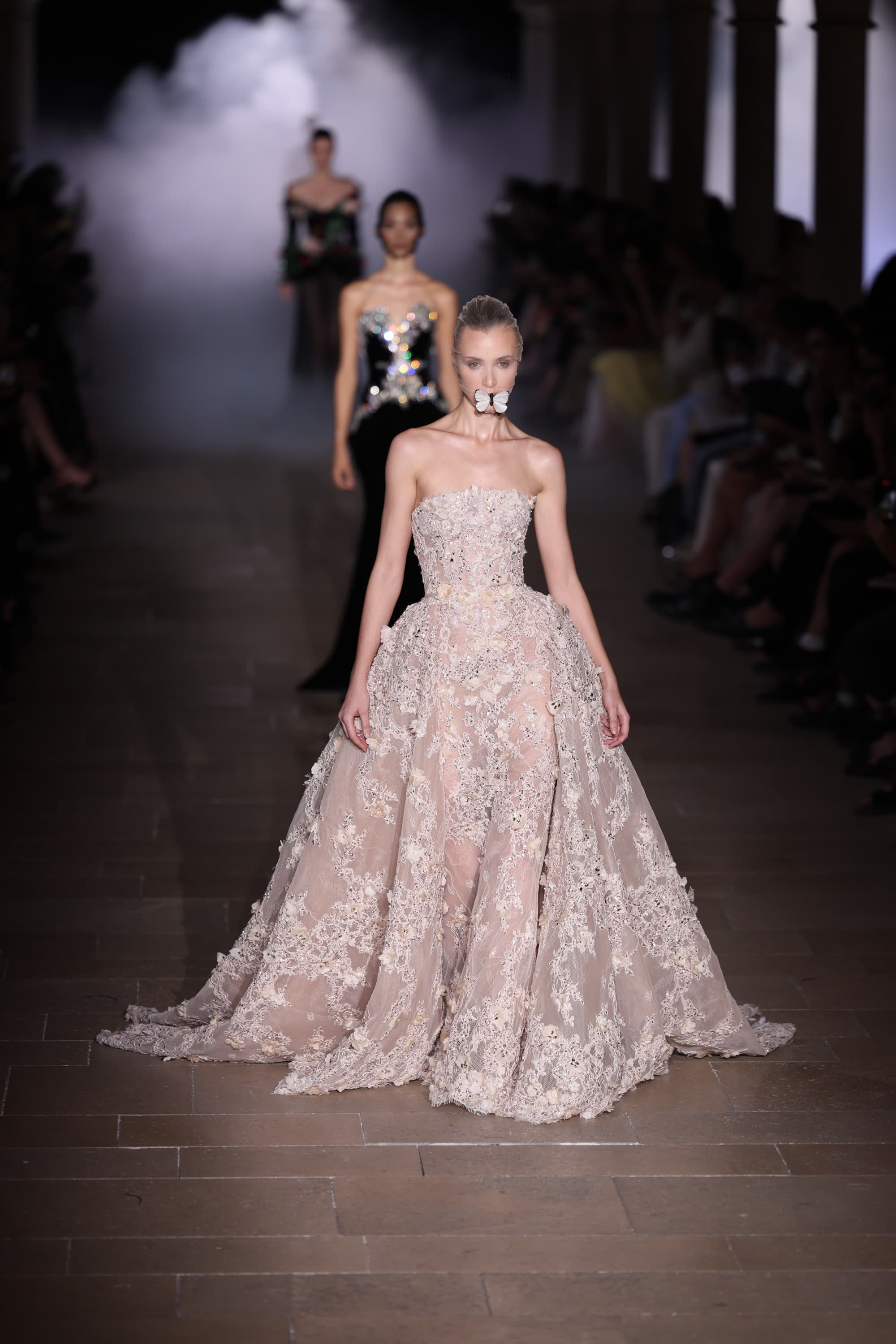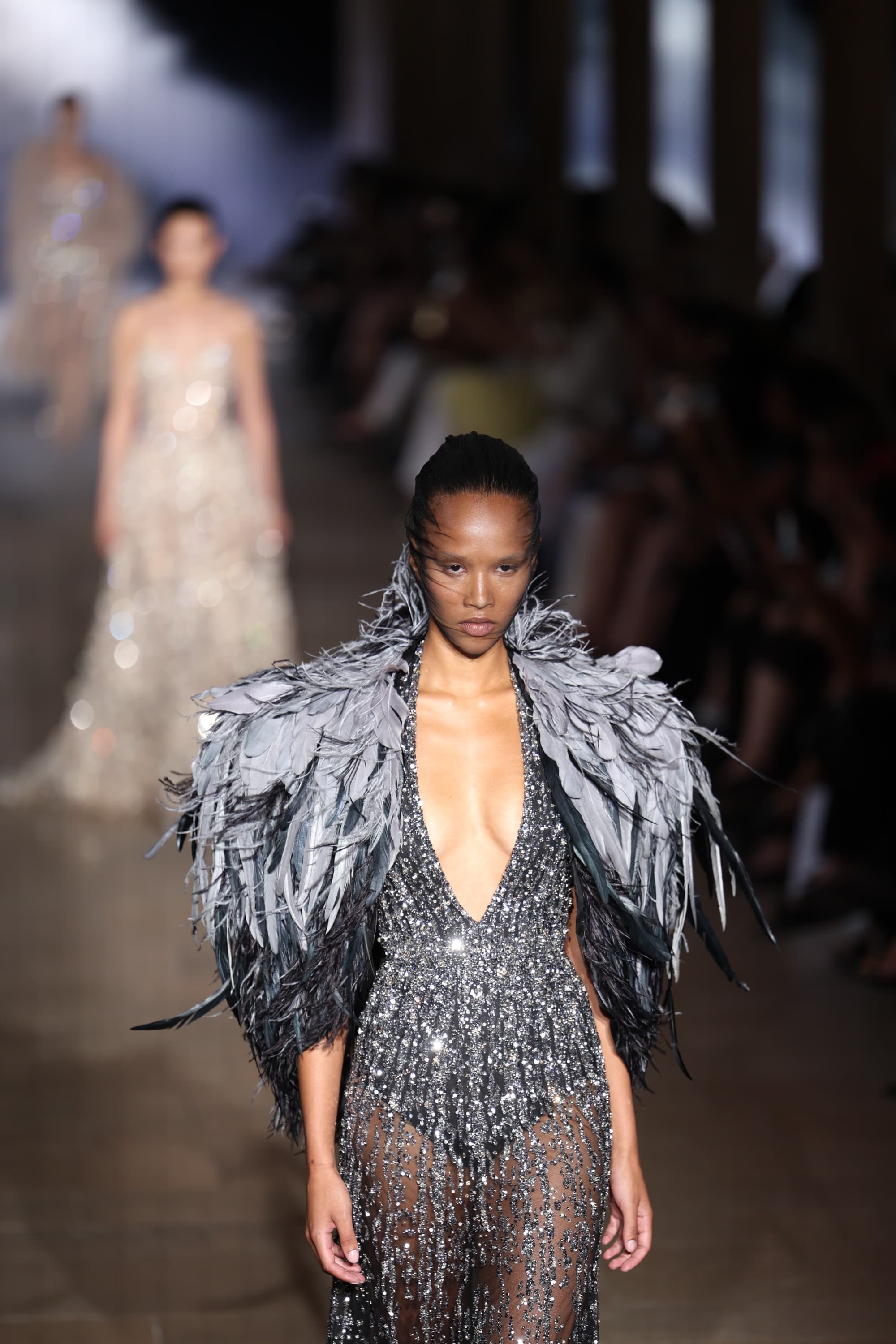
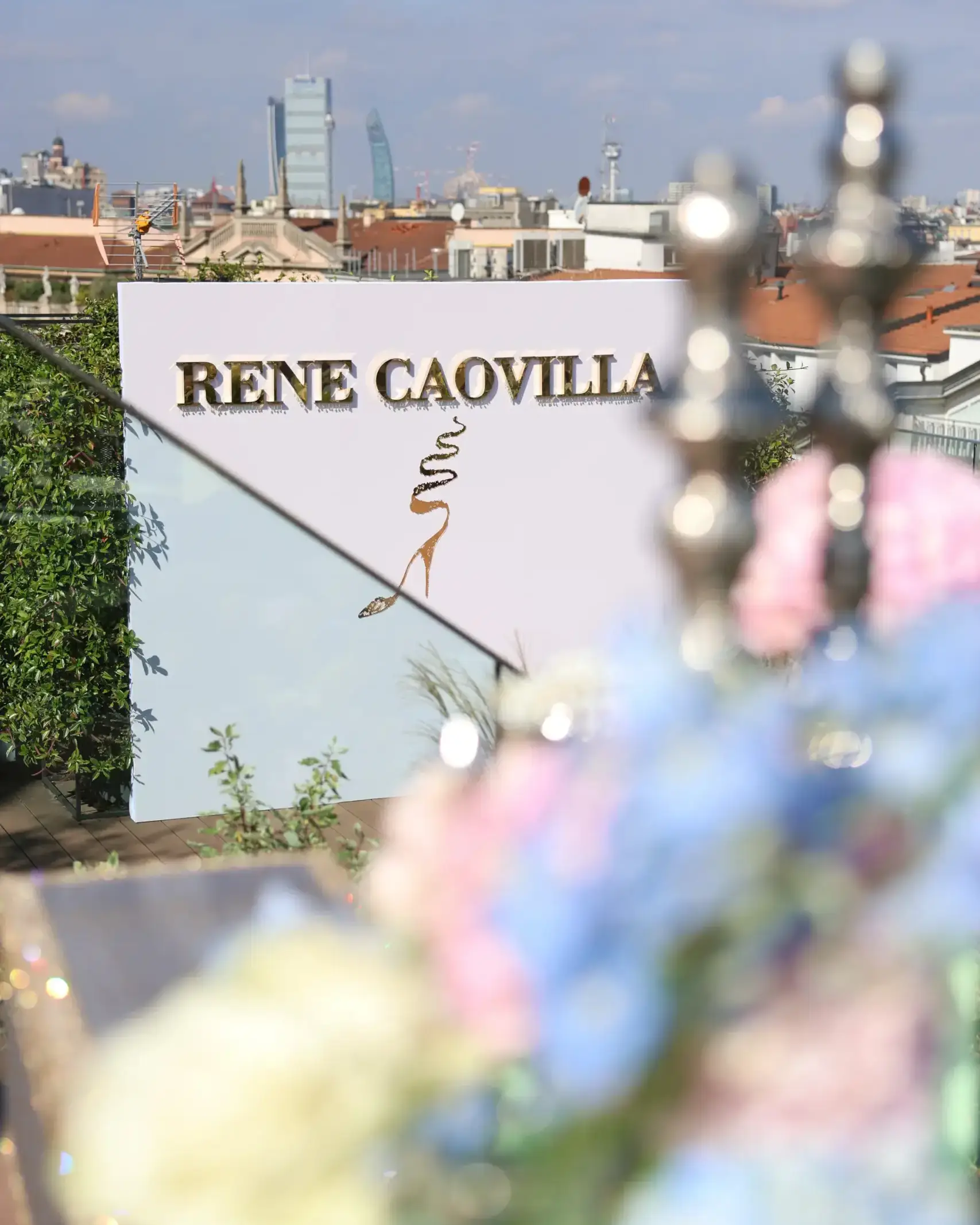
Milan, September 25, 2025 – At Milan Fashion Week SS26, René Caovilla presents from 11:00-18:00 at Corso Matteotti 10. Not a traditional runway, but a presentation celebrating over a century of Venetian footwear craftsmanship that has made the brand legendary worldwide.

A Century of Venetian Excellence
Founded in 1923 in Fiesso d'Artico (Venice province) by Edoardo Caovilla, the brand "Caovilla" was established in 1934. His son René Fernando Caovilla, after studying in Paris and London in the '50s, took over in the '60s and renamed it "René Caovilla."
The iconic Cleo sandal (1973), inspired by 1st-century BC Roman bracelets, features a snake wrapping around the ankle. It's exhibited at MoMA New York and takes 2 days of work to create, with each Swarovski crystal hand-applied.


Haute Couture Collaborations
René Caovilla collaborated with the biggest names in fashion for over 25 years with Valentino, plus Christian Dior, Chanel, and Karl Lagerfeld.
Third generation: Edoardo Caovilla (founder's grandson) has been Creative Director and COO since 2009, bringing fresh vision while honoring family legacy.Made in Venice
René Caovilla is the second-oldest luxury footwear brand in the world (after Ferragamo) and the only existing Venetian luxury brand. Everything is produced in Fiesso d'Artico with 150 employees (some with 60+ years of service). The brand archives every design ever created.
Celebrity clients: Rihanna, Beyoncé, Gal Gadot, Bella Hadid, Kate Middleton.
In 2007, Harrods used a live Egyptian cobra to guard sandals encrusted with rubies, sapphires, and diamonds.
Expansion: 2004 first Milan store, ~20 global boutiques, 2017 online launch.
Our Visual Twins Perspective
Photographing René Caovilla means capturing artisanal precision. Each sandal is sculpture, each crystal placement is decision, each snake curve is design choice. Not industrial production but human hands creating art.
In an era of mass production and fast fashion, René Caovilla represents resistance through excellence. Made in Venice means something: centuries of knowledge, families dedicating lives to craft, archive preserving every creation.
The Cleo sandal at MoMA isn't fashion in museum – it's recognition that some objects transcend commerce to become culture.